Trump's Tariff Reversal: Navigating the Complexities of Global Trade Dynamics
An in-depth analysis of President Trump's 90-day tariff suspension, its impact on international trade relations, and the specific consequences for African economies navigating the evolving global market landscape.
 admin
admin
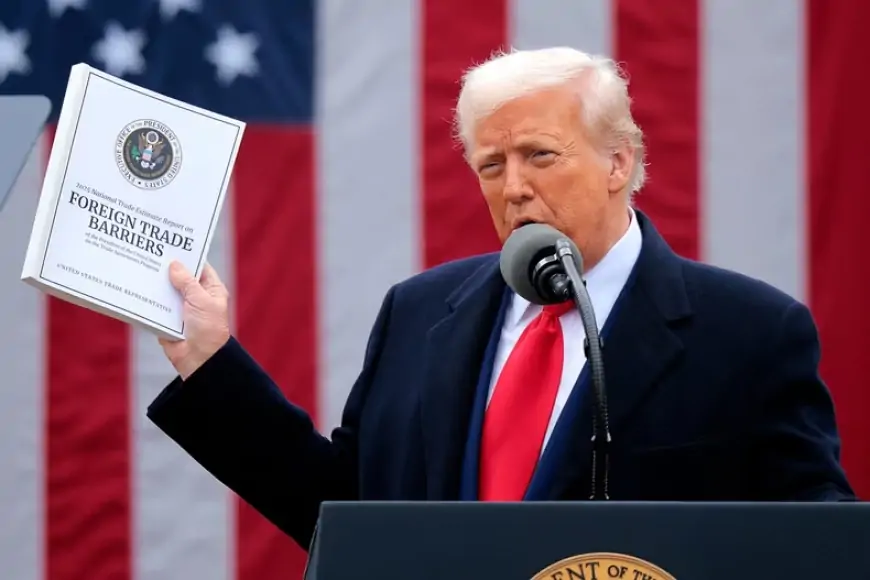
In a significant shift in U.S. trade policy, President Donald Trump announced a 90-day suspension of new tariffs on multiple countries, signaling a potential de-escalation in the recent trade tensions that have unsettled global markets. This decision introduces a 10% reciprocal tariff during the suspension period and concurrently escalates tariffs on Chinese imports to 125%. This article delves into the catalysts for this policy reversal, the anticipated ramifications for international trade, and the specific implications for African economies.
Genesis of the Tariff Suspension
The Trump administration's initial imposition of stringent tariffs aimed to rectify perceived trade imbalances and protect domestic industries. However, these measures elicited widespread concern from global markets, business leaders, and over 75 nations that sought negotiations to avert a potential trade war. The ensuing market volatility and diplomatic pressures prompted a reevaluation of the administration's approach, culminating in the 90-day tariff suspension. President Trump articulated that this pause is intended to facilitate dialogue and allow trading partners to negotiate more equitable terms with the United States.
Implementation of the 10% Reciprocal Tariff
During the suspension period, the U.S. will enforce a 10% reciprocal tariff on imports from countries that maintain similar tariffs on U.S. goods. This strategy aims to encourage trading partners to reassess and potentially lower their tariffs, promoting a more balanced trade environment. The administration asserts that this measure is a step toward rectifying longstanding trade disparities and fostering fairer international commerce.
Escalation of Tariffs on Chinese Imports
Despite the general suspension, the U.S. has intensified its stance on China by increasing tariffs on select Chinese goods to 125%. This escalation underscores the administration's focus on addressing specific trade issues with China, including concerns over intellectual property rights and trade deficits. President Trump emphasized that this move reflects a commitment to confronting practices deemed unfair, while still leaving room for future negotiations.
Global Market Reactions and Business Community Feedback
The announcement of the tariff suspension has elicited varied responses from the international business community. Notable figures such as JPMorgan Chase CEO Jamie Dimon and investor Bill Ackman have expressed cautious optimism, viewing the pause as a strategic opportunity to negotiate more favorable trade terms. Conversely, some economists have raised concerns about the potential for continued uncertainty and its impact on global economic stability.
Implications for African Economies
African nations have been closely monitoring these developments, given their significant trade relationships with the United States. For instance, Ghana's export sector faces challenges due to the newly imposed 10% tariff on imported goods, which could affect its export competitiveness. Economists suggest that Ghana should consider diversifying its trade partnerships and engaging more actively with the African Continental Free Trade Area (AfCFTA) to mitigate potential adverse effects.
Similarly, countries like Zimbabwe and Vietnam have proactively offered to eliminate tariffs on U.S. goods to avoid being targeted by new trade measures. Zimbabwe suspended tariffs on U.S. imports in response to the Trump administration's policies, aiming to maintain favorable trade relations. These actions reflect a strategic approach by smaller economies to navigate the complexities of shifting U.S. trade policies.
Political and Economic Ramifications
Domestically, the tariff suspension has sparked discussions about the administration's trade strategy. Some Republican lawmakers have expressed skepticism, suggesting that market reactions may have influenced the decision to pause the tariffs. Senator Rand Paul noted that market volatility appeared to have "spooked" the administration into reconsidering its approach.
Economically, the suspension introduces a period of uncertainty for businesses that had begun adjusting their operations in response to the initial tariffs. Companies that had implemented changes to their supply chains and inventory management must now assess whether to maintain these adjustments or revert to previous practices. This fluid situation underscores the challenges businesses face in adapting to rapidly evolving trade policies.
Conclusion
President Trump's 90-day suspension of new tariffs represents a pivotal moment in U.S. trade policy, reflecting the intricate balance between asserting national economic interests and maintaining stable international relationships. While the pause offers a window for negotiation and potential resolution of trade disputes, it also highlights the complexities and uncertainties inherent in global commerce. As the situation unfolds, it will be imperative for all stakeholders to engage in constructive dialogue aimed at fostering equitable and sustainable trade practices.