Kenya's 2024 Protests: Unpacking Police Brutality, Economic Strife, and Youth Activism
Explore the 2024 Kenyan protests ignited by a controversial Finance Bill, delving into allegations of police brutality, enforced disappearances, and the pivotal role of Gen Z activists in shaping the nation's political discourse.
 admin
admin
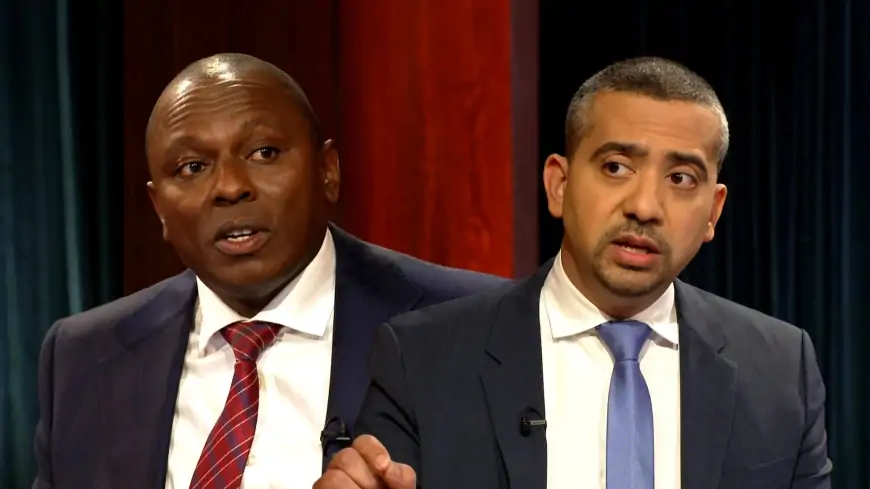
In a recent episode of Al Jazeera's "Head to Head," Mehdi Hasan engaged in a probing interview with Kimani Ichung’wah, the Majority Leader of Kenya's National Assembly, delving into pressing issues such as police brutality, corruption, and unfulfilled promises under President William Ruto's administration.
In 2024, Kenya witnessed a surge of youth-led protests sparked by a controversial Finance Bill proposing increased taxes on essential commodities. This bill, introduced to address the nation's debt, sought to raise approximately $2.7 billion through additional taxes on items like internet data, fuel, and bank transfers. The proposed hikes exacerbated an already dire cost-of-living crisis, leading thousands to the streets in dissent.
Government's Response: Allegations of Police Brutality
The government's reaction to the protests drew significant criticism. Reports indicate that law enforcement agencies employed excessive force, resulting in numerous casualties. Amnesty International highlighted instances where plainclothes officers fired live ammunition at unarmed demonstrators, leading to fatalities.
Enforced Disappearances: A Growing Concern
Beyond the immediate violence, there were alarming reports of enforced disappearances targeting activists and critics. Notably, Kenya's Attorney-General, Justin Muturi, revealed that his son was abducted by state agents, shedding light on the state's involvement in such activities.
The "Head to Head" Interview: Key Highlights
During the interview, Mehdi Hasan confronted Kimani Ichung’wah on these pressing issues:
-
Police Brutality and Enforced Disappearances: Ichung’wah dismissed allegations of state-sponsored abductions as conspiracies, denying any state involvement in enforced disappearances.
-
Government Accountability: When questioned about the administration's commitment to investigating corruption within 30 days—a promise made during the election campaign—Ichung’wah evaded direct answers, leading to a tense exchange.
-
Economic Policies: The discussion also touched upon the economic challenges facing Kenya, with critics arguing that the Finance Bill's tax hikes would disproportionately affect low-income citizens, further widening the inequality gap.
Public Sentiment: The Rise of Gen Z Activism
A notable aspect of the 2024 protests was the prominent involvement of Generation Z. Tech-savvy and politically conscious, these young activists utilized social media platforms to organize and amplify their dissent, challenging traditional political structures. Their activism signified a shift in Kenya's political landscape, emphasizing issues like government accountability, economic justice, and human rights.
International Attention and Criticism
The international community closely monitored these developments. Human rights organizations condemned the Kenyan government's heavy-handed tactics, urging respect for democratic principles and human rights. The unrest also led to economic repercussions, with concerns about foreign investment and tourism.
Conclusion: A Nation at a Crossroads
Kenya stands at a pivotal juncture. The 2024 protests underscored deep-seated frustrations among the populace, particularly the youth, regarding economic hardships and governance issues. The government's response to dissent has raised questions about its commitment to democratic values and human rights. As the nation moves forward, addressing these challenges transparently and inclusively will be crucial for fostering unity and progress.