Escalation in Global Trade: China's Retaliatory Tariffs Deepen U.S.-China Tensions
Explore the latest developments in the U.S.-China trade war as China retaliates with 84% tariffs on U.S. imports, following President Trump's 104% tariffs on Chinese goods. Understand the implications for global markets and international trade.
 admin
admin
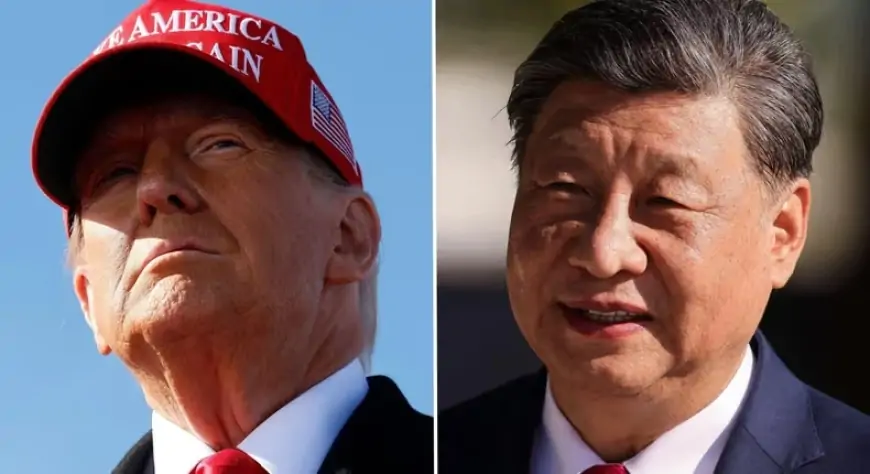
In a significant escalation of the ongoing trade conflict between the United States and China, the Chinese government has announced the imposition of 84% tariffs on U.S. imports. This move comes directly in response to President Donald Trump's recent decision to levy cumulative tariffs totaling 104% on Chinese goods. The European Union has also entered the fray, unveiling its own set of retaliatory measures targeting U.S. exports. These developments have sent ripples through global markets, raising concerns about the potential for a protracted trade war and its implications for the international economy.
Backdrop of the Trade Dispute
The genesis of this intensifying trade dispute can be traced back to a series of protectionist measures initiated by the United States. President Trump's administration has been vocal about addressing what it perceives as unfair trade practices, particularly with China. The U.S. has imposed multiple rounds of tariffs on Chinese imports, citing issues such as intellectual property theft and trade imbalances. The latest tranche of tariffs, amounting to a cumulative 104% on Chinese goods, represents one of the most aggressive moves in this ongoing saga.
China's Retaliatory Measures
In a swift response, China announced that it would impose 84% tariffs on U.S. imports, a measure set to take effect immediately. This decision underscores Beijing's resolve to counteract U.S. trade actions and protect its economic interests. The Chinese Ministry of Commerce emphasized that these tariffs are a direct reaction to the U.S.'s unilateral measures and called for the U.S. to engage in dialogue based on mutual respect and equality.
European Union's Involvement
The European Union has not remained on the sidelines during this escalating trade conflict. In response to earlier U.S. tariffs on steel and aluminum exports, the EU announced its first set of retaliatory tariffs affecting U.S. goods worth approximately $23 billion. These tariffs target a range of products, including soybeans, diamonds, and poultry, signaling the EU's intent to defend its economic interests and uphold the principles of free trade.
Market Reactions and Economic Implications
The announcement of these tariffs has had immediate repercussions on global financial markets. European stock markets experienced declines, reflecting investor apprehension about the escalating trade tensions. Conversely, the S&P 500 in the United States posted early gains, though analysts caution that prolonged trade disputes could introduce volatility and uncertainty into the markets.
Economists and market strategists have expressed concerns about the potential long-term impact of this trade war. Zhiwei Zhang, chief economist at Pinpoint Asset Management, noted that China is prepared for a prolonged conflict and does not anticipate a swift resolution. He highlighted the potential damage to both economies and the broader implications for global trade and economic growth.
Statements from U.S. Officials
U.S. officials have expressed disappointment over China's retaliatory measures and its perceived reluctance to engage in negotiations. Treasury Secretary Scott Bessent described China's economy as "the most imbalanced in the history of the modern world" and lamented the lack of progress in resolving the trade dispute. President Trump, through statements on social media, indicated that China is eager to negotiate but uncertain about how to initiate discussions.
China's Position and Calls for Dialogue
Chinese officials have reiterated their stance that the U.S. must correct its "wrong practices" and engage in dialogue characterized by mutual respect and equality. Lin Jian, a spokesperson for the Chinese foreign ministry, emphasized that the U.S.'s actions suggest a lack of seriousness about negotiations and called for a more equitable approach to resolving the differences.
Potential Global Impact
The escalation of tariffs between the U.S. and China, coupled with the EU's involvement, raises significant concerns about the stability of the global trading system. Prolonged trade disputes can disrupt supply chains, increase costs for consumers and businesses, and dampen economic growth worldwide. The uncertainty surrounding these conflicts may also lead to decreased investment and heightened market volatility.
Conclusion
The imposition of 84% tariffs by China on U.S. imports marks a critical juncture in the escalating trade war between the world's largest economies. As both sides entrench their positions, the path to a negotiated settlement appears increasingly complex. The involvement of other global players, such as the European Union, further complicates the landscape. The international community watches closely, hoping for a resolution that will restore stability and promote the principles of free and fair trade.