Ibrahim Traoré: Africa's Vanguard Against Neo-Colonialism and Poverty
Discover how Burkina Faso's Captain Ibrahim Traoré is redefining African leadership through economic sovereignty, anti-imperialism, and investments in human capital.
 admin
admin
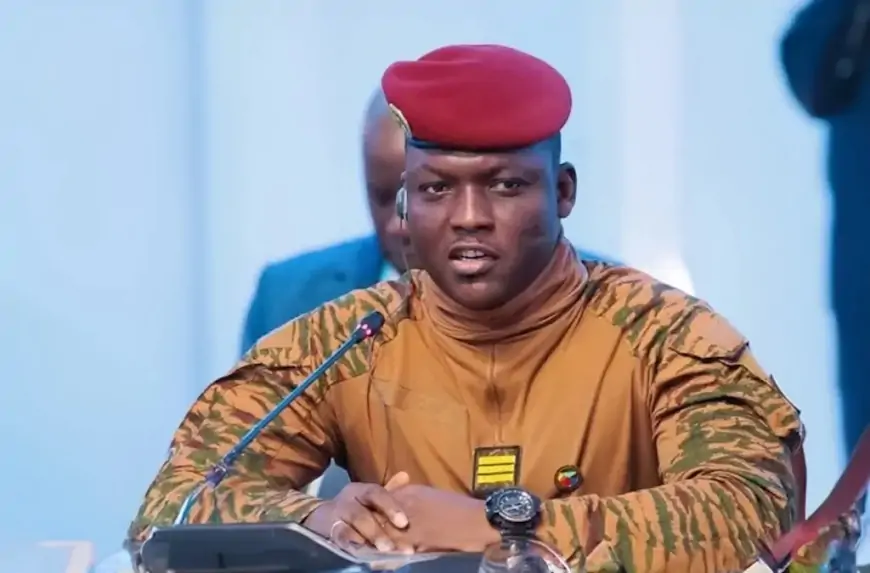
In the heart of West Africa, Burkina Faso's Captain Ibrahim Traoré has emerged as a beacon of hope and a symbol of resistance against neo-colonialism, poverty, and foreign dependency. Since assuming power in 2022, Traoré has implemented bold reforms aimed at reclaiming national sovereignty, fostering economic self-reliance, and inspiring a new generation of African leaders.
Reclaiming Economic Sovereignty
One of Traoré's most significant moves was the nationalization of Burkina Faso's gold mining industry. Previously dominated by foreign entities, the sector is now under state control, ensuring that the wealth generated benefits the Burkinabé people directly. This shift not only boosts national revenue but also empowers local communities by creating jobs and funding public services.
In a landmark achievement, Traoré's administration announced the clearance of Burkina Faso's $4.7 billion external debt. This financial liberation was achieved through strategic fiscal policies and increased revenue from resource exports, particularly gold. By freeing the nation from the shackles of debt, Traoré has set Burkina Faso on a path toward genuine economic independence.
Rejecting Conditional Foreign Aid
Traoré has taken a firm stance against reliance on foreign aid, particularly from institutions like the International Monetary Fund (IMF) and the World Bank. He argues that such aid often comes with conditions that undermine national sovereignty and impose austerity measures detrimental to economic growth. By rejecting these financial dependencies, Traoré emphasizes the importance of self-determination and the need for African nations to chart their own development paths.
Investing in Human Capital
Understanding that true development hinges on the well-being of its citizens, Traoré has prioritized investments in healthcare and education. His administration has initiated the construction of over 50 ultramodern hospitals, aiming to transform Burkina Faso into a medical hub for the region. These facilities are designed not only to provide quality healthcare but also to create employment opportunities and stimulate local economies.
In education, efforts are underway to build new schools and improve existing infrastructure, ensuring that every child has access to quality learning environments. By focusing on human capital development, Traoré is laying the foundation for a more prosperous and self-reliant nation.
Championing Pan-Africanism and Anti-Imperialism
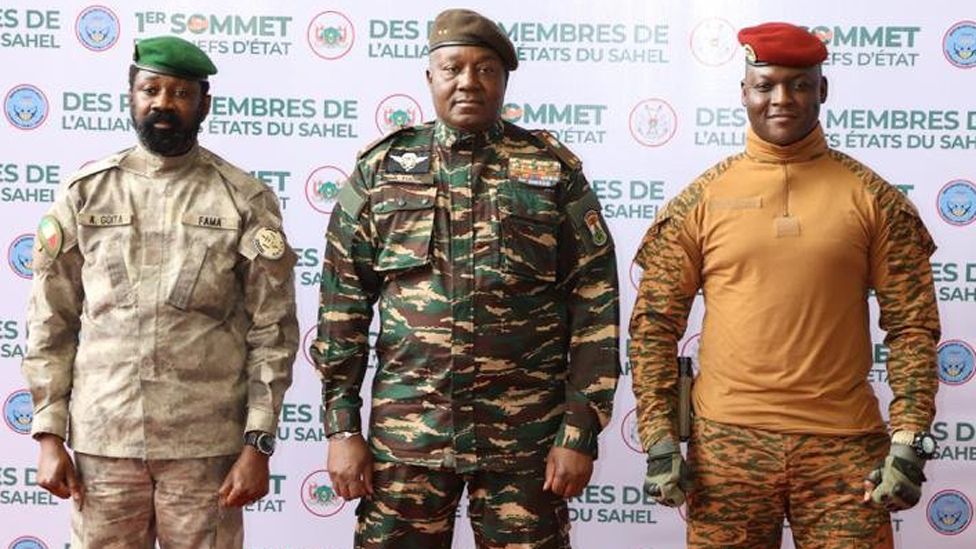
Traoré's leadership is deeply rooted in Pan-African ideals and a commitment to eradicating neo-colonial influences. Drawing inspiration from revolutionary figures like Thomas Sankara and Che Guevara, he advocates for a united Africa that stands firm against external exploitation. His government has forged alliances with countries such as Nicaragua, Venezuela, Cuba, and Iran, reflecting a shift towards partnerships based on mutual respect and shared values.
Moreover, Traoré has been vocal in condemning imperialism and has taken tangible steps to reduce foreign military presence in Burkina Faso. By expelling French forces and seeking diversified international partnerships, he underscores the importance of African nations controlling their own security and destiny.
A Model for African Leadership
Traoré's approach offers a compelling blueprint for other African leaders seeking to break free from the cycles of poverty and dependency. His emphasis on resource nationalism, economic self-reliance, and investment in human capital demonstrates that with visionary leadership, African countries can chart independent paths toward sustainable development.
By prioritizing the needs of his people over foreign interests, Traoré exemplifies the transformative power of leadership rooted in integrity, courage, and a deep commitment to national sovereignty.
Conclusion
Captain Ibrahim Traoré stands as a testament to what is possible when African leaders place the interests of their nations and people above all else. His bold reforms and unwavering dedication to self-reliance serve as an inspiration and a call to action for leaders across the continent. In emulating Traoré's model, African nations can move closer to a future defined by prosperity, dignity, and true independence.