Africa's Quest for Equitable Representation: The Debate Over UN Security Council Reform
Explore the ongoing debate surrounding the U.S. proposal to grant Africa permanent seats on the UN Security Council without veto power, and delve into Dr. Arikana Chihombori-Quao's advocacy for full representation.
 admin
admin

The United Nations Security Council (UNSC), established in 1945, has long been a focal point of global governance, charged with maintaining international peace and security. Its structure, however, has remained largely unchanged since its inception, leading to growing calls for reform, particularly from underrepresented regions like Africa. The recent U.S. proposal to grant Africa two permanent seats without veto power has ignited a fervent debate, with prominent figures like Dr. Arikana Chihombori-Quao, former African Union ambassador to the U.S., voicing strong opposition. This article delves into the intricacies of this proposal, the historical context of Africa's representation at the UN, and the broader implications for global equity and justice.
The U.S. Proposal: Seats Without Veto Power
In a bid to modernize the UNSC and address longstanding disparities, the United States announced its support for adding two permanent seats for African nations. However, this endorsement comes with a significant caveat: the new seats would not carry veto power. Linda Thomas-Greenfield, the U.S. Ambassador to the UN, articulated this vision, emphasizing the need for reform while maintaining certain structural elements of the council.
Africa's Stance: The Ezulwini Consensus
Africa's position on UNSC reform is encapsulated in the Ezulwini Consensus, adopted by the African Union nearly two decades ago. This consensus calls for two permanent seats for African countries, complete with all the prerogatives and privileges of current permanent members, including veto power. The rationale is clear: without veto power, Africa's representatives would lack the necessary influence to effect meaningful change, perpetuating a system where decisions about the continent are made without its full participation.
Dr. Arikana Chihombori-Quao's Perspective
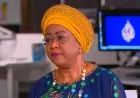
Dr. Arikana Chihombori-Quao has been a vocal critic of the U.S. proposal. She argues that offering Africa permanent seats without veto power is tantamount to inviting the continent to the table while asking its representatives to remain silent. In her view, this arrangement is an insult to the 1.4 billion Africans and undermines the continent's sovereignty and agency in global affairs.
Historical Context: Africa's Marginalization
Since the UN's establishment, the Permanent Five (P5) members—China, Russia, France, the UK, and the U.S.—have wielded significant power, including the veto right. This structure reflects the geopolitical realities of the post-World War II era but has become increasingly outdated. Africa, despite being the second-largest continent with a substantial population, has been relegated to a peripheral role in the UNSC. This marginalization has often resulted in decisions that do not align with the continent's interests or perspectives.
The Significance of Veto Power
The veto power is a critical tool that allows permanent UNSC members to block any substantive resolution, regardless of international support. Without this power, permanent members have limited influence over the council's decisions. For Africa, securing veto power is not merely about status but about ensuring that the continent can protect its interests and contribute effectively to global peace and security.
Global Reactions and Implications
The U.S. proposal has elicited mixed reactions globally. Some view it as a step toward a more inclusive UN, while others, particularly within Africa, see it as a half-measure that fails to address the core issue of equitable power distribution. Granting Africa permanent seats without veto power could perpetuate existing inequalities, rendering African nations as second-class members within the UNSC.
The Path Forward: Genuine Reform or Cosmetic Change?
The debate over UNSC reform underscores a broader struggle for equity in global governance. For reforms to be meaningful, they must address the power imbalances that have historically sidelined Africa and other underrepresented regions. This includes not only granting permanent seats but also ensuring that these seats come with the full rights and responsibilities enjoyed by current permanent members.
Conclusion: Striving for a Just Global Order
Africa's demand for equitable representation in the UNSC is a call for justice and recognition of its rightful place in global affairs. As Dr. Chihombori-Quao and other African leaders have emphasized, anything less than full membership, including veto power, is unacceptable. The international community must heed these calls and work collaboratively toward a UN that truly represents the interests and aspirations of all its member states.
For a deeper insight into Dr. Arikana Chihombori-Quao's perspective on this issue, watch her compelling address below: