Is Syria’s New Leader a U.S. Puppet? Examining the Suspicious Reopening of the U.S. Embassy and Lifting of Sanctions
The U.S. has reopened its embassy in Syria and lifted sanctions, but is interim President Ahmed al-Sharaa really a U.S. asset? Here’s why many suspect a hidden agenda.
 admin
admin
On May 30, 2025, the U.S. flag was raised over the ambassador’s residence in Damascus for the first time since 2012, signaling a dramatic shift in U.S.-Syria relations. This move came just weeks after President Donald Trump lifted decades-old sanctions on Syria—a decision that stunned observers, given Syria’s long-standing status as a pariah state under Bashar al-Assad.
But the most shocking development is the sudden rise of Syria’s new interim president, Ahmed al-Sharaa, a former al-Qaeda commander who led the rebel offensive that toppled Assad in December 2024. Despite his jihadist past, the U.S. is now embracing him as a legitimate leader, raising suspicions that he may be a U.S. government asset installed to serve American interests in the region.
This article will examine the evidence suggesting that al-Sharaa is a U.S. puppet, the geopolitical motives behind the sudden U.S. rapprochement with Syria, and why this could be part of a larger strategy to reshape the Middle East under American influence.
1. From Al-Qaeda to U.S. Ally: The Suspicious Transformation of Ahmed al-Sharaa
Ahmed al-Sharaa (formerly known as Abu Mohammed al-Jolani) was the leader of Hayat Tahrir al-Sham (HTS), an Islamist militant group with deep ties to al-Qaeda. For years, the U.S. designated HTS as a terrorist organization, yet now, Washington is treating al-Sharaa as a legitimate leader.
Key Red Flags:
-
Sudden Diplomatic Acceptance: Despite his extremist background, al-Sharaa has been granted high-level meetings with Trump, Secretary of State Marco Rubio, and other U.S. officials.
-
U.S. Sanctions Lifted Without Conditions: The Trump administration removed sanctions with no demands for democratic reforms or human rights improvements, which is highly unusual for a former jihadist-led government.
-
Israel’s Unusual Silence: Israel, which previously bombed Syrian positions to prevent Iranian influence, has not opposed al-Sharaa’s rule, despite his past jihadist affiliations.
Why This Suggests U.S. Control:
If al-Sharaa were truly independent, the U.S. would have imposed strict conditions for sanctions relief. Instead, the lack of demands suggests a pre-arranged deal where al-Sharaa serves U.S. interests in exchange for power.
2. The Suspicious Timing of the Embassy Reopening and Sanctions Relief
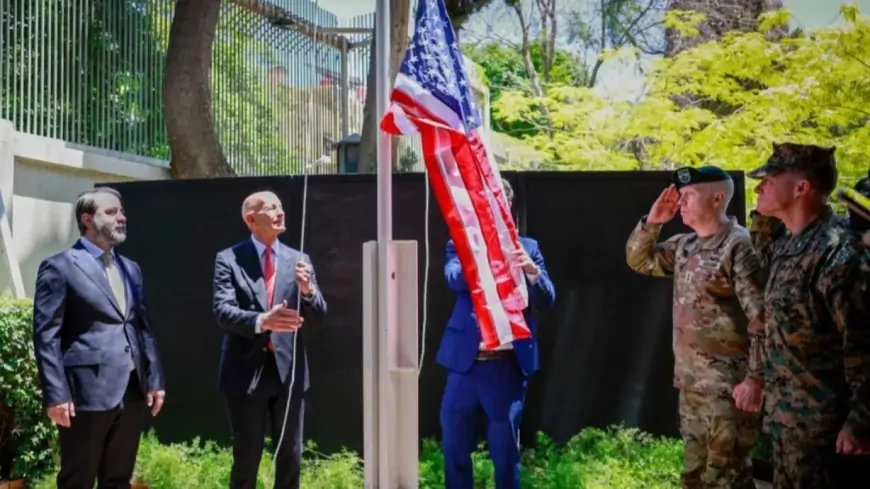
The U.S. didn’t just lift sanctions—it did so immediately after al-Sharaa’s rise, followed by a rapid embassy reopening. This sequence suggests pre-planned coordination.
Key Events:
-
December 2024: Assad flees Syria; al-Sharaa takes power.
-
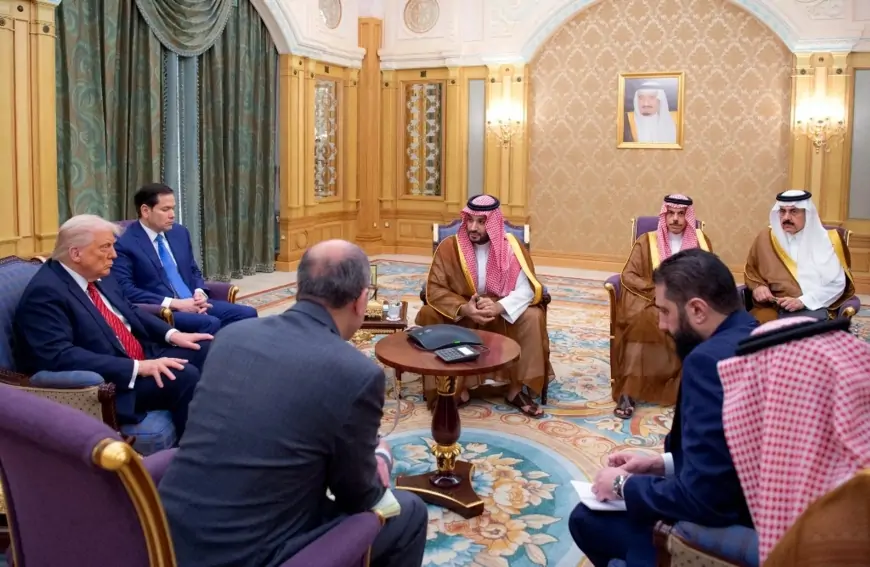
May 2025: Trump meets al-Sharaa in Riyadh, announces sanctions lift.
-
Days Later: The U.S. flag is raised in Damascus, and Qatari-Turkish-U.S. energy deals are signed, worth billions.
Why This Is Suspicious:
-
No Transition Period: Normally, the U.S. would take months to assess a new regime’s legitimacy before lifting sanctions. Here, it happened within weeks.
-
Corporate Interests Moving In Fast: The energy deal involving U.S. firms suggests pre-negotiated economic exploitation under the guise of "reconstruction".
This rapid shift implies that al-Sharaa was pre-approved by Washington, rather than being an organic leader.
3. The Geopolitical Motive: Containing Iran and Pushing Israel-Syria Peace
The U.S. has long sought to counter Iran’s influence in Syria. With al-Sharaa in power, Iran’s ally (Assad) is gone, and Syria is now open to U.S. and Gulf investments.
Evidence of a U.S.-Backed Pivot:
-
Israel-Syria Non-Aggression Talks: U.S. envoy Thomas Barrack is pushing for a Syria-Israel peace deal, something unthinkable under Assad.
-
Syria Delisted as "State Sponsor of Terrorism"—despite al-Sharaa’s jihadist past.
-
Saudi and Turkish Backing: Both U.S. allies (Saudi Arabia and Turkey) have endorsed al-Sharaa, suggesting a coordinated regional strategy.
Why This Points to a Puppet Regime:
If al-Sharaa were truly independent, he wouldn’t so quickly abandon Syria’s long-standing anti-Israel stance. His sudden willingness to negotiate with Israel aligns perfectly with U.S. objectives, raising suspicions of external control.
4. The Suppression of Dissent: Is This Another U.S.-Backed Authoritarian Regime?
Despite claims of a "new Syria," reports indicate that political repression continues under al-Sharaa:
-
Former Assad loyalists are being purged.
-
Critics of the new government face censorship.
-
The U.S. is not pressuring al-Sharaa on human rights, unlike with Assad.
This suggests that the U.S. prefers a compliant dictator over true democracy, as long as he serves American interests.
A U.S. Puppet Regime in Syria?
The speed at which the U.S. has embraced al-Sharaa, lifted sanctions, and reopened its embassy suggests a pre-arranged transition rather than an organic shift. Key indicators include:
-
Al-Sharaa’s sudden legitimacy despite his terrorist past.
-
The immediate lifting of sanctions with no conditions.
-
The push for Syria-Israel normalization, a long-standing U.S. goal.
-
Rapid corporate deals benefiting U.S. and Gulf allies.
If al-Sharaa were truly independent, he would resist U.S. demands. Instead, his policies align perfectly with Washington’s agenda, making it highly likely that he is a U.S. puppet installed to secure American dominance in the region.