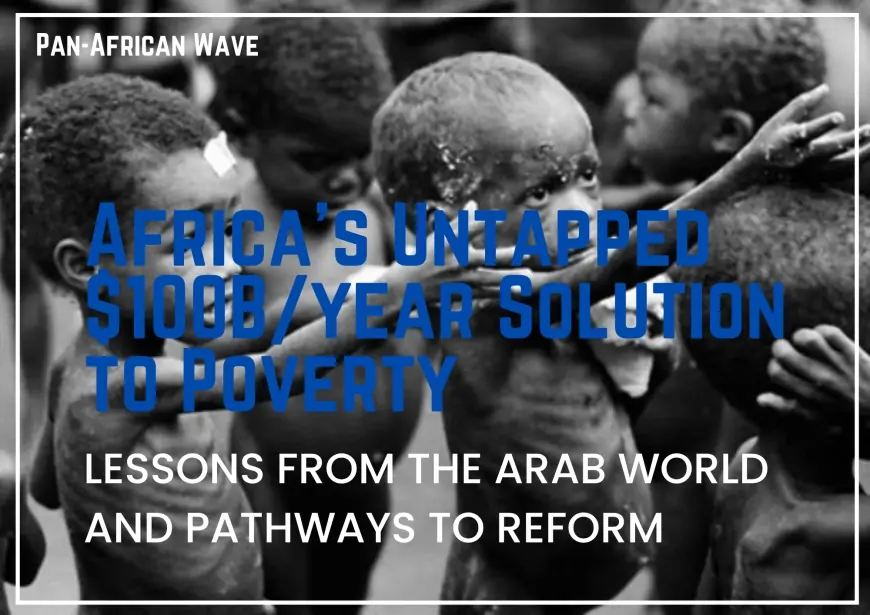
Africa’s Untapped $100B/year Solution to Poverty: Lessons from the Arab World and Pathways to Reform
How Africa can adopt Arab-style Zakat systems to eliminate poverty. Explore reforms, case studies, and actionable solutions.
 admin
admin
Introduction
While Africa struggles with systemic poverty, Arab Islamic nations like the UAE, Qatar, and Saudi Arabia boast some of the world’s lowest poverty rates—largely due to their rigorous implementation of Zakat, Islam’s wealth redistribution system. Unlike sporadic charity, Zakat is a mandatory 2.5% levy on savings and assets, channeled into entrepreneurship, education, and healthcare for the poor.
This article explores:
-
How Zakat works in the Arab world and its measurable impact.
-
Why Africa’s Zakat systems fail to replicate this success.
-
Actionable solutions to transform Zakat into a Pan-African poverty eradication tool.
Part 1: The Arab Model – How Zakat Eliminates Poverty
1. Centralized, State-Enforced Collection
-
Gulf governments treat Zakat as public policy, not voluntary charity.
-
Example: Saudi Arabia’s Zakat, Tax, and Customs Authority (GAZT) collects $15.6 billion annually (2022 data), with penalties for non-compliance.
-
Qatar’s Zakat Fund allocates 70% of funds to small business grants.
-
2. Investment in Sustainable Livelihoods
-
Zakat funds startups, not handouts:
-
The UAE’s Dubai Islamic Economy Centre trains recipients in trades (e.g., carpentry, coding) and provides interest-free loans (Qard al-Hasan).
-
Result: Over 80% of beneficiaries in Qatar transition out of poverty within 3 years (Gulf Zakat Forum Report, 2023).
-
3. Transparency & Digital Tracking
-
Blockchain-based platforms (e.g., Saudi’s Ehsan) track Zakat disbursements, ensuring funds reach intended projects.
Part 2: Why Africa’s Zakat Systems Underperform
1. Weak Institutionalization
-
No centralized authority: In Nigeria, Zakat is managed by disparate NGOs, mosques, and state bodies—leading to fraud and inefficiency.
-
Lagos Zakat Committee reported 30% of collections "lost" in 2023 due to poor oversight.
-
2. Elite Evasion & Corruption
-
Wealthy individuals underreport assets. Sudan’s 2021 audit revealed $4M embezzled from Zakat chambers.
3. Misallocation of Funds
-
Overemphasis on short-term aid: In Somalia, 90% of Zakat funds buy food (UNOCHA), not income-generating projects.
4. Scale vs. Need
-
Africa’s poverty gap requires $1B annually.
Part 3: Solutions – A Pan-African Zakat Framework
1. Legislative Reform
-
Mandate national Zakat councils with auditing powers (modeled after Saudi GAZT).
-
Example: Kenya’s Zakat Act 2024 (proposed) would criminalize non-payment for high-net-worth Muslims.
-
2. Tech-Driven Transparency
-
Blockchain platforms to track collections/disbursements (e.g., ZakatChain Africa pilot in Senegal).
-
Mobile apps (like Ehsan) for public reporting of projects.
3. Focus on Entrepreneurship
-
Zakat-funded business hubs: Partner with Islamic banks to offer microloans (0% interest).
-
Case Study: Tanzania’s Baraka Zakat Fund financed 500 women-led agribusinesses in 2023.
-
4. Grassroots Advocacy
-
Fatwas against hoarding: Senegal’s Islamic Council issued edicts naming elites who evade Zakat.
-
Mosque-based campaigns: Imams to publish annual Zakat reports (as done in Dubai).
5. Cross-Border Zakat Pooling
-
African Union (AU) Zakat Fund: Aggregate resources from 56 member states for large-scale projects (e.g., solar farms, vocational schools).
Challenges & Countermeasures
| Challenge | Solution |
|---|---|
| Elite resistance | Public shaming via fatwas + legal penalties (e.g., asset freezes). |
| Corruption | Blockchain audits + independent oversight committees. |
| Cultural distrust | Mosque-led transparency campaigns showcasing success stories. |
| Funding gaps | AU-coordinated Zakat bonds for infrastructure projects. |
Conclusion: A Call to Action
Zakat isn’t just a religious duty—it’s Africa’s untapped $100B/year solution to poverty. By adopting the Arab world’s centralization, transparency, and entrepreneurship focus, African nations can transform Zakat from fragmented charity into a powerful economic engine.
3 Steps to Start Now:
-
Demand national Zakat laws (tag your legislators #ZakatReformAfrica).
-
Support tech platforms tracking Zakat (e.g., donate to ZakatChain Africa).
-
Invest in Zakat-funded businesses (e.g., Baraka Fund Tanzania).
The Quran (9:60) mandates Zakat for "the poor, the needy... and for those in bondage." Let’s free Africa from poverty’s chains—one accountable Zakat dollar at a time.