The Evolution of Pan-Africanism: Exploring the Political Ideology’s History and Its Impact on Contemporary African Unity Movements
Explore the history of Pan-Africanism, from its origins in the diaspora to its role in modern African unity movements like the AU and AfCFTA.
 admin
admin
Introduction
Pan-Africanism, a political ideology rooted in the belief that African people share a common destiny, has evolved over centuries to become a driving force for unity, liberation, and self-determination. From its origins in the struggles of the African diaspora to its modern-day manifestations in movements like the African Union (AU) and the African Continental Free Trade Area (AfCFTA), Pan-Africanism has shaped the continent’s political, cultural, and economic landscape. This article explores the history of Pan-Africanism, its key figures, and its enduring impact on contemporary African unity movements.
1. The Origins of Pan-Africanism
Pan-Africanism emerged in the late 19th century as a response to the transatlantic slave trade, colonialism, and racial oppression. Its roots can be traced to the African diaspora, particularly in the Americas and the Caribbean, where enslaved Africans and their descendants sought to reclaim their identity and dignity.
-
Early Voices: Figures like Martin Delany and Edward Blyden advocated for the return of Africans to their homeland and the establishment of a unified African identity.
-
The First Pan-African Conference (1900): Organized by Trinidadian barrister Henry Sylvester Williams, this landmark event in London brought together African leaders and intellectuals to discuss the challenges facing people of African descent.
2. The Pan-African Congresses: A Platform for Unity
The Pan-African Congresses, held between 1919 and 1945, were pivotal in shaping the ideology and mobilizing global support for African liberation.
-
W.E.B. Du Bois: The African-American scholar and activist played a central role in organizing the congresses, advocating for self-governance and an end to colonial rule.
-
Key Resolutions: The congresses called for political independence, economic cooperation, and cultural revival across Africa and the diaspora.
3. The Role of African Leaders in the 20th Century
The mid-20th century saw the rise of African leaders who championed Pan-Africanism as a tool for liberation and unity.
-
Kwame Nkrumah: Ghana’s first president and a leading Pan-Africanist, Nkrumah envisioned a “United States of Africa” to counter neocolonialism and promote economic self-sufficiency.
-
Julius Nyerere: Tanzania’s founding father emphasized African socialism and regional integration as pathways to unity.
-
Patrice Lumumba: The Congolese leader’s fight for independence and his tragic assassination highlighted the challenges of achieving true liberation.
4. The Formation of the Organization of African Unity (OAU)
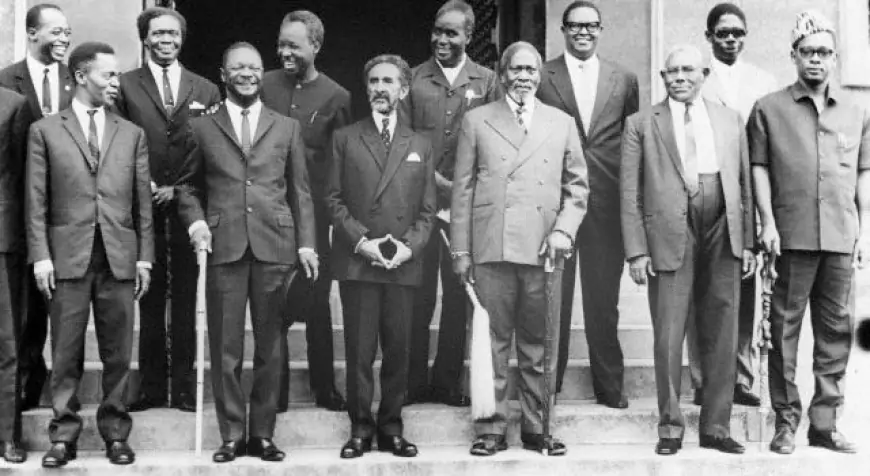
In 1963, 32 African nations established the OAU to promote solidarity and coordinate efforts to end colonialism.
-
Achievements: The OAU played a crucial role in supporting liberation movements in countries like South Africa, Angola, and Mozambique.
-
Limitations: Critics argue that the OAU’s principle of non-interference in member states’ affairs hindered its ability to address conflicts and human rights abuses.
5. The Transition to the African Union (AU)
In 2002, the OAU was replaced by the African Union, marking a new era of Pan-Africanism.
-
Key Initiatives: The AU has launched programs like Agenda 2063, a blueprint for Africa’s development, and the AfCFTA, which aims to create a single continental market.
-
Challenges: The AU continues to grapple with issues like political instability, corruption, and external interference.
6. Contemporary Pan-African Movements
Today, Pan-Africanism is alive in various forms, from grassroots activism to digital campaigns.
-
Youth Movements: Organizations like the African Youth Movement (AYM) are advocating for unity, climate action, and political reform.
-
Cultural Revival: Artists, writers, and filmmakers are using their work to celebrate African heritage and challenge stereotypes.
-
Economic Integration: The AfCFTA, launched in 2021, is a tangible expression of Pan-Africanism, fostering trade and collaboration across borders.
7. The Impact of Pan-Africanism on African Unity
Pan-Africanism has had a profound impact on Africa’s political and social fabric.
-
Liberation: The ideology inspired anti-colonial struggles and the eventual independence of African nations.
-
Solidarity: Pan-Africanism has fostered a sense of shared identity and purpose among Africans and the diaspora.
-
Challenges: Despite its successes, Pan-Africanism faces obstacles like ethnic divisions, economic inequality, and external pressures.
8. The Future of Pan-Africanism
As Africa navigates the complexities of the 21st century, Pan-Africanism remains a beacon of hope and a call to action.
-
Digital Pan-Africanism: Social media platforms are enabling Africans to connect, organize, and advocate for change on a global scale.
-
Climate Justice: Pan-African movements are addressing the disproportionate impact of climate change on the continent.
-
A United Africa: The dream of a “United States of Africa” continues to inspire leaders and citizens alike, offering a vision of a prosperous, unified continent.
Conclusion
The evolution of Pan-Africanism reflects the resilience and determination of African people to overcome adversity and build a brighter future. From its origins in the diaspora to its modern-day expressions in the AU and grassroots movements, Pan-Africanism has shaped Africa’s past and will continue to guide its future. As we celebrate its achievements, we must also confront its challenges, ensuring that the ideals of unity, self-determination, and solidarity remain at the heart of Africa’s journey.