Assassinated African Pan-Africanists: Unveiling the Truth Behind Their Deaths
Explore the stories of African Pan-Africanists who were assassinated, the reasons behind their deaths, and the impact on Africa's quest for unity and independence.
 admin
admin
Introduction
The struggle for Africa's unity, independence, and self-determination has been marked by the visionary leadership of Pan-Africanists who dared to challenge colonial and neo-colonial powers. Tragically, many of these leaders met untimely deaths under suspicious circumstances, often linked to foreign interference. This article delves into the lives and assassinations of prominent African Pan-Africanists, exploring the reasons behind their deaths and the lasting impact on the continent.
- Patrice Lumumba (Democratic Republic of Congo)
Patrice Lumumba, the first Prime Minister of the Democratic Republic of Congo, was a staunch advocate for true independence and Pan-African unity. His refusal to align with Western interests and his appeal to the Soviet Union during the Congo Crisis alarmed Western powers. In 1961, Lumumba was deposed, arrested, and ultimately executed under circumstances implicating Belgian and possibly U.S. involvement.
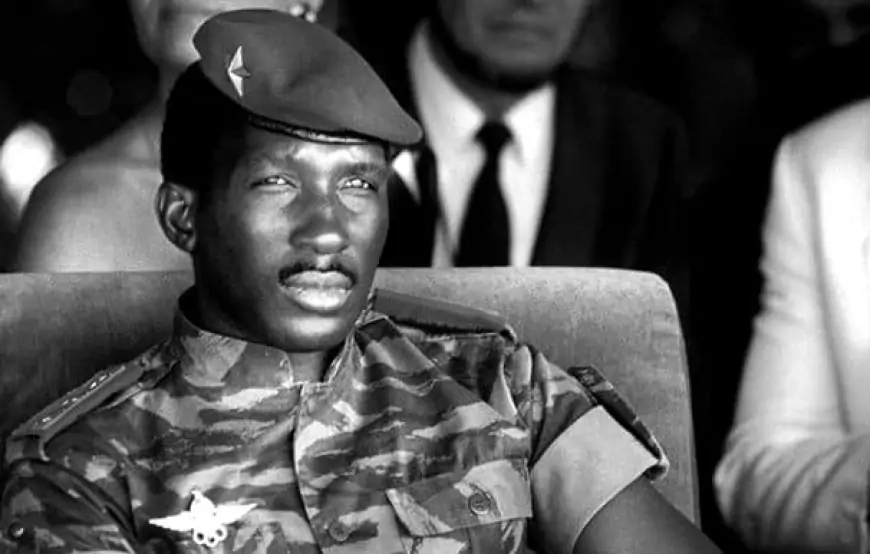
- Thomas Sankara (Burkina Faso)
Often referred to as "Africa's Che Guevara," Thomas Sankara led Burkina Faso from 1983 until his assassination in 1987. He implemented progressive policies, including land reforms, women's rights, and anti-corruption measures. Sankara's rejection of foreign aid and criticism of neo-colonialism made him a target. His assassination, orchestrated during a coup led by his former ally Blaise Compaoré, is believed to have had foreign backing.
- Muammar Gaddafi (Libya)
Muammar Gaddafi ruled Libya from 1969 until his death in 2011. He was a proponent of Pan-Africanism, proposing the African Union, a single African currency, and an African central bank. Gaddafi's efforts to reduce Africa's dependence on Western financial systems threatened global powers. His death during the NATO-backed Libyan Civil War raised questions about the true motives behind the intervention.
- Amílcar Cabral (Guinea-Bissau and Cape Verde)
Amílcar Cabral was a revolutionary leader who fought for the independence of Guinea-Bissau and Cape Verde from Portuguese colonial rule. He emphasized cultural identity and unity among African nations. In 1973, Cabral was assassinated by a member of his own party, allegedly with the complicity of Portuguese intelligence, aiming to destabilize the liberation movement.
- Sylvanus Olympio (Togo)
Sylvanus Olympio, the first President of Togo, sought economic independence by establishing a national currency and reducing reliance on French financial systems. In 1963, he was assassinated during a coup led by soldiers trained in France, highlighting the challenges faced by leaders attempting to break free from colonial influence.
- Eduardo Mondlane (Mozambique)
Eduardo Mondlane was the founder of the Mozambique Liberation Front (FRELIMO), leading the fight against Portuguese colonialism. He advocated for African unity and socialism. In 1969, Mondlane was killed by a parcel bomb, with suspicions pointing towards Portuguese intelligence services aiming to disrupt the liberation movement.
- Samora Machel (Mozambique)
Samora Machel succeeded Mondlane as the leader of FRELIMO and became the first President of independent Mozambique. He continued to promote Pan-Africanism and socialism. In 1986, Machel died in a plane crash near the South African border under mysterious circumstances, with allegations of South African apartheid regime involvement.
- Steve Biko (South Africa)
Steve Biko was a prominent anti-apartheid activist and founder of the Black Consciousness Movement in South Africa. He emphasized black pride and self-reliance. In 1977, Biko died in police custody from injuries sustained during interrogation, highlighting the brutal repression of dissenting voices during apartheid.
- Chris Hani (South Africa)
Chris Hani was a leader of the South African Communist Party and chief of staff of Umkhonto we Sizwe, the armed wing of the African National Congress. He was a strong advocate for racial equality and economic justice. In 1993, Hani was assassinated by a right-wing extremist, an event that nearly derailed South Africa's transition to democracy.
- Laurent-Désiré Kabila (Democratic Republic of Congo)
Laurent-Désiré Kabila became President of the Democratic Republic of Congo after overthrowing Mobutu Sese Seko in 1997. He aimed to reduce foreign influence and control over Congo's vast mineral resources. In 2001, Kabila was assassinated by one of his bodyguards, with theories suggesting foreign involvement due to his nationalist policies.
The Common Thread: Challenging Foreign Dominance
A recurring theme among these leaders is their commitment to Pan-Africanism, economic independence, and resistance to foreign domination. Their policies often threatened the interests of former colonial powers and multinational corporations, leading to covert operations aimed at neutralizing their influence.
Impact on Africa's Development
The assassinations of these visionary leaders have had profound effects on Africa's political and economic landscape. Their deaths often led to the installation of regimes more amenable to foreign interests, perpetuating cycles of dependency, corruption, and underdevelopment.
Conclusion
The tragic fates of these Pan-Africanists serve as a stark reminder of the challenges faced by those who dare to envision an independent and united Africa. Understanding the circumstances surrounding their assassinations is crucial in acknowledging the external forces that have shaped the continent's history and in fostering a renewed commitment to the ideals they championed.