Top 10 African countries with the weakest currencies compared to the US dollar
More than just a financial hassle, a weak currency can have an impact on people, businesses, and the stability of the government. Currency depreciation is a persistent problem for many African countries, frequently linked to trade imbalances, poor economic management, or outside shocks. Policymakers and citizens alike must be aware of the risks associated with a weak currency.
 admin
admin
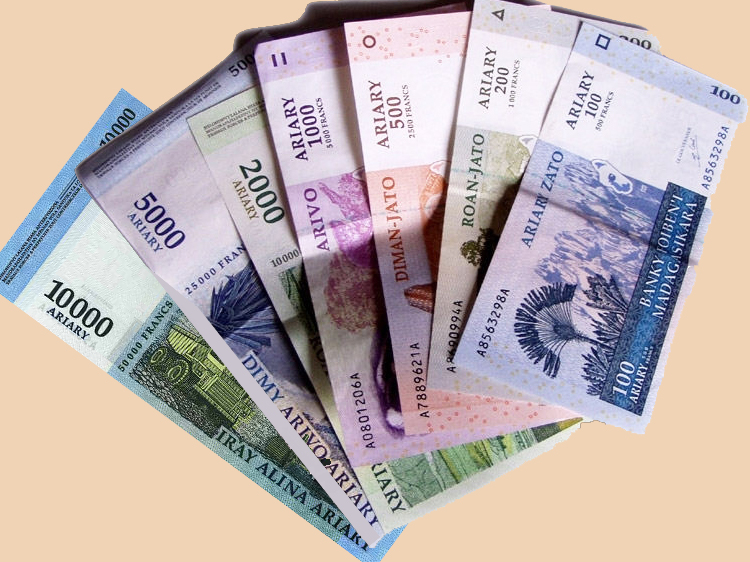

More than just a financial hassle, a weak currency can have an impact on people, businesses, and the stability of the government. Currency depreciation is a persistent problem for many African countries, frequently linked to trade imbalances, poor economic management, or outside shocks. Policymakers and citizens alike must be aware of the risks associated with a weak currency.
- Currency devaluation is a recurring challenge for many African nations, affecting economies, businesses, and citizens' lives.
- Devalued currencies increase import costs, trigger inflation, and reduce household purchasing power.
- Economic instability resulting from weak currencies deters foreign investments and strains government credibility.
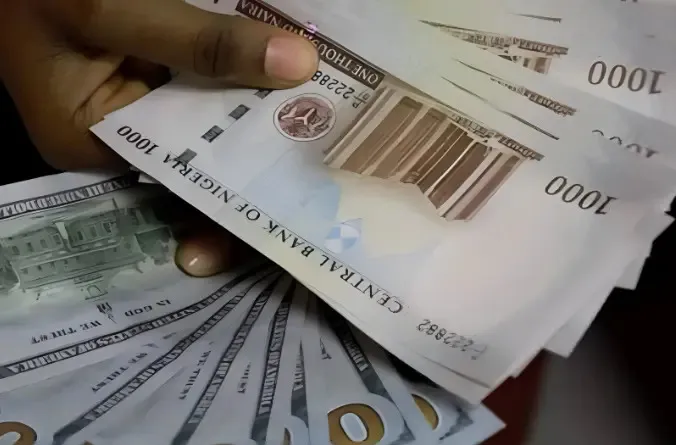
- Nigeria is not on the list this month, the first time the country's currency is not one of the 10 worst in Africa this year.
African economies frequently depend significantly on imported items, ranging from food and technology to fuel and machinery.
These imports become much more expensive locally as the currency depreciates.
DON’T MISS THIS: Top 10 African countries with the strongest currencies in September 2025
Inflation is frequently triggered by currency weakness. Businesses pass on the rising costs of imported goods to customers. The purchasing power of households decreases as their savings are depleted.
When salaries fall behind rising prices, it can create a vicious cycle that lowers consumer confidence and causes societal annoyance.
Investors experience uncertainty when a currency is weak and unstable.
SEE HERE: Africa’s richest man, Aliko Dangote, is closer than ever to the $30 billion mark
Because they worry that depreciation may reduce their profits, foreign companies can be hesitant to invest in nations with unpredictable exchange rates.
Stability in the economy and society can be triggered by persistent currency weakness.
Increased costs for necessities and gasoline can spur demonstrations, work disruptions, and political pressure on governments.
While a weaker currency can theoretically lower export prices, this gain is frequently balanced by the higher cost of imported materials required for production
SEE ALSO: Kenya gains an extra $250 million after converting $5 billion loan to Yuan
Subsequently, a weak currency has far-reaching consequences for an economy, affecting everything from household budgets to national debt and investor confidence.
African countries that fail to manage currency stability face inflation, diminished purchasing power, increased debt burdens, and economic stagnation.
Currency strengthening and stabilization are thus critical not only for financial health but also for social and political stability.
With that said, here are the African countries with the weakest currencies currently, according to the Forbes currency calculator.
For the first time since the year began, the Nigerian Naira is not one of the 10 worst currencies on the continent.