Starlink blocked from South Africa, Musk says it’s because he is not black
Elon Musk said South Africa’s telecommunications ownership rules are preventing his satellite internet company, Starlink, from launching in the country, renewing debate over how Africa’s most industrialised economy balances transformation policy with foreign investment.
 admin
admin
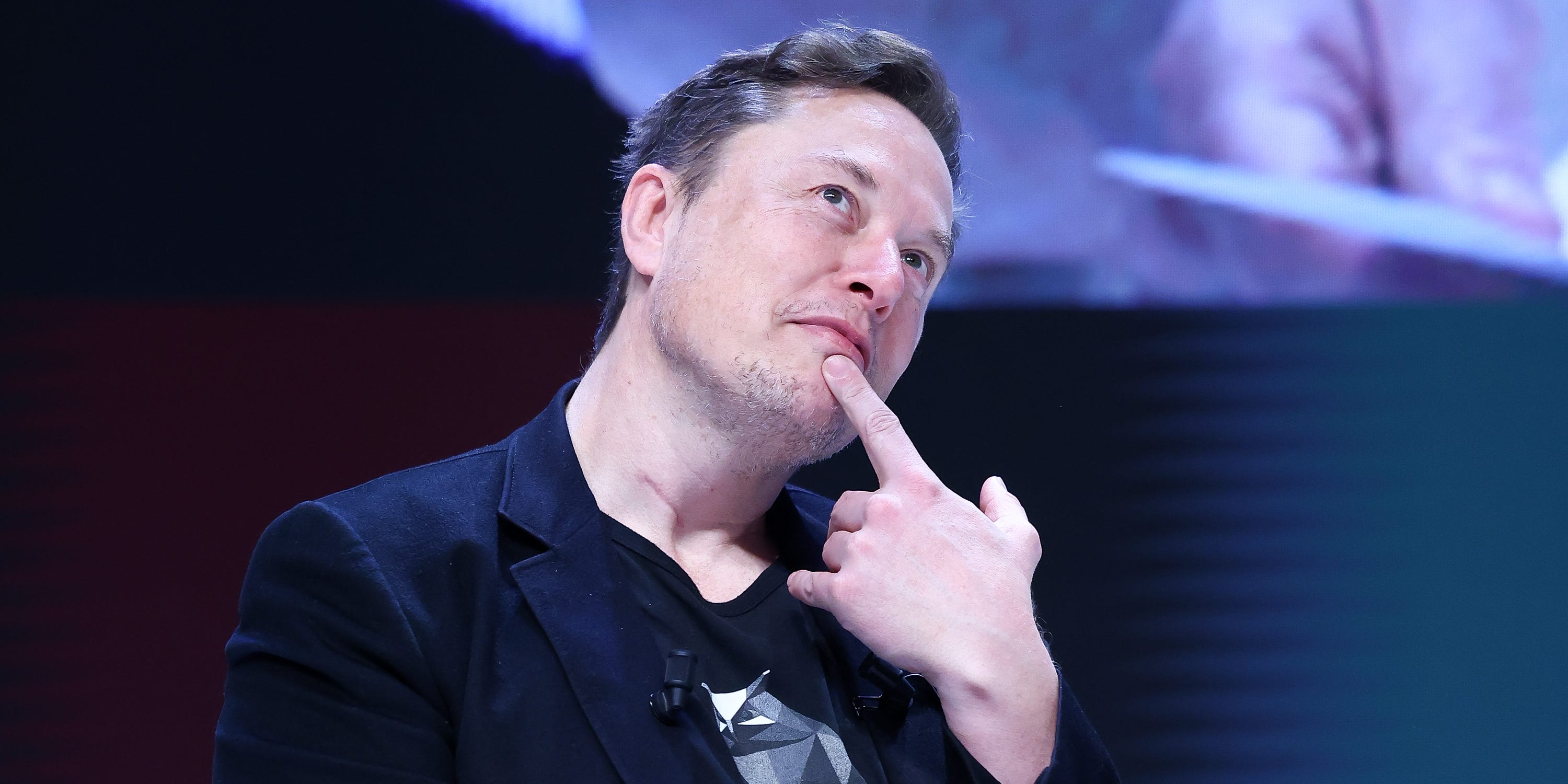

Elon Musk said South Africa’s telecommunications ownership rules are preventing his satellite internet company, Starlink, from launching in the country, renewing debate over how Africa’s most industrialised economy balances transformation policy with foreign investment.
- Elon Musk stated that South Africa's telecommunications regulations are hampering Starlink's launch in the country due to local ownership rules.
- Starlink supports empowerment objectives but proposes equity equivalent investment programs as an alternative to ownership transfer, aiming to align with national inclusion policies.
- The Independent Communications Authority of South Africa requires compliance with Broad-Based Black Economic Empowerment (B-BBEE) rules, mandating 30% ownership by historically disadvantaged groups for licensees.
- The company commits to substantial investments in infrastructure and education, demonstrating potential development contributions to South Africa.
In a recent post on X, , Musk, the Pretoria-born billionaire, continued to question why Starlink, already accepted in over 125 countries and territories globally, reaching more than 20 African nation, has not been approved in his birth country.
Despite high demand from South African consumers, Starlink currently does not have approval to operate commercially in the country.
He said Starlink was not permitted to obtain an internet service provider licence in South Africa solely because he is not black.
Musk was responding to a video of a 2025 interview at the Qatar Economic Forum, where he criticised laws that give preferential treatment to people based on skin colour.
In another post on Thursday, he said he opposed any anti-Black or anti-White laws.
“There should be a fair and even playing field,” he said. “The facts are there for anyone to observe. South Africa now has more anti-White laws than there were anti-Black laws under Apartheid.”
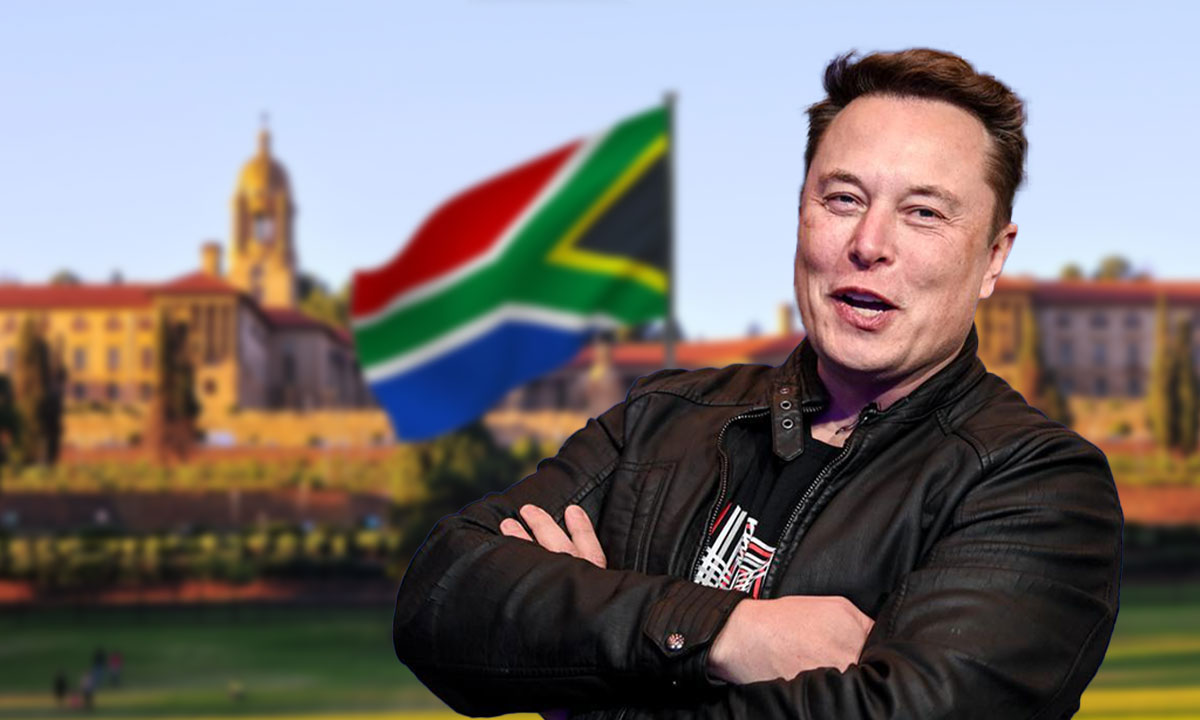
Polarized Reactions
Musk’s remarks, shared via a video clip on social media, have sparked over 15.8 million views and 33,000 reposts, generating mixed reactions.
Supporters argue the restrictions limit competition and access to high-speed internet, particularly in rural areas.
Critics counter that Musk’s framing oversimplifies South Africa’s legal framework and ignores the historical context behind empowerment laws.
South African officials have not directly responded to Musk’s latest comments, but government representatives have previously rejected claims that B-BBEE laws are exclusionary, saying they are remedial measures aimed at correcting decades of systemic inequality.
Ownership Rules Block Entry
South Africa’s telecoms sector is regulated by the Independent Communications Authority of South Africa (Icasa), which requires licensees to comply with Broad-Based Black Economic Empowerment (B-BBEE) rules.
These include a requirement that 30% of ownership be held by historically disadvantaged groups, including black South Africans, women, youth, or people with disabilities.
Starlink has said it supports empowerment objectives but opposes mandatory equity ownership for multinational firms with fixed global shareholding structures.
Instead, the company has proposed equity equivalent investment programmes (EEIPs), which allow companies to meet empowerment obligations through direct investment rather than ownership transfer.
Starlink’s Investment Plans
The company has committed about $26 million to provide free high-speed internet and equipment to 5,000 rural schools and outlined broader infrastructure investments of roughly $105 million. Starlink also plans to partner with local firms for deployment and business services.
Regulatory Momentum
Communications minister Solly Malatsi recently issued a policy directive instructing Icasa to align licensing regulations with the amended B-BBEE ICT sector code and the government’s national economic inclusion policy. More than 90% of submissions during public consultations supported recognising EEIPs.
Starlink has urged South Africans who registered interest in its services to support the regulatory changes.
The company said only minor amendments to licensing regulations are required for its service to launch and stressed it would operate as a fully B-BBEE-compliant entity once licensed.