Egypt moves to end industrial gas subsidies as fiscal pressures mount
Egypt is preparing to gradually eliminate natural gas subsidies for its industrial sector in a sweeping reform aimed at easing the government’s fiscal load and aligning domestic prices with global energy markets.
 admin
admin
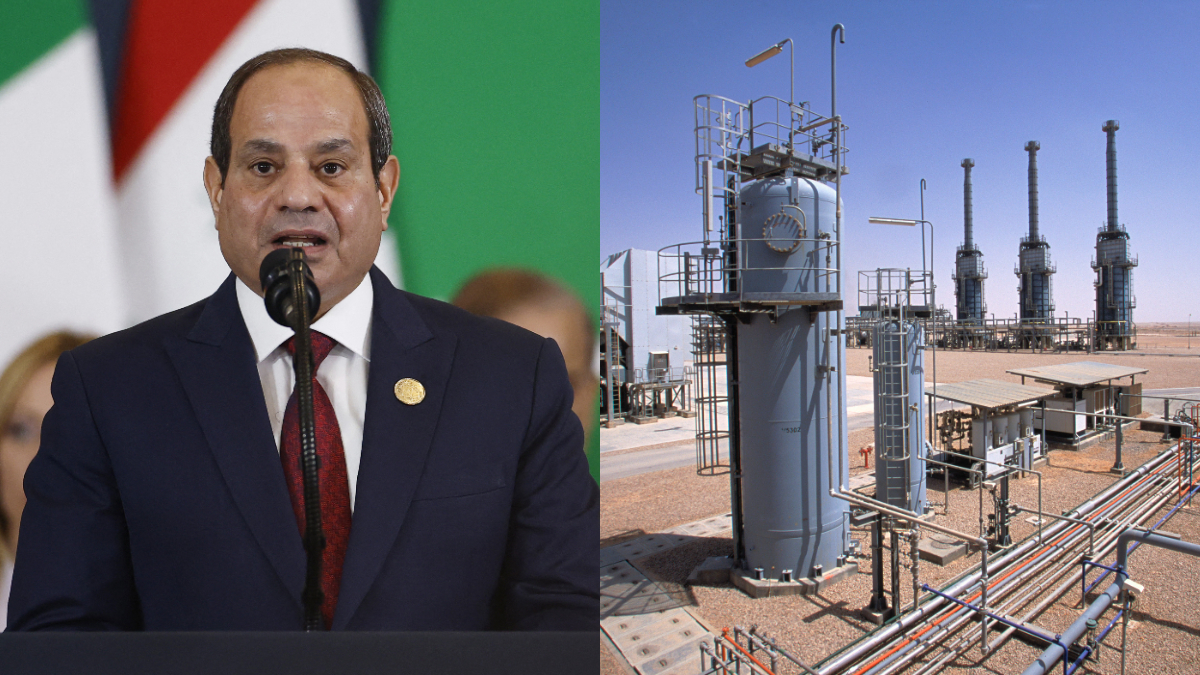
![The Egyptian government is phasing out subsidies to align energy prices with global market levels and attract international investors. [Photo by Yoan Valat and Giles Barnard/Getty Images]](https://ocdn.eu/pulscms/MDA_/06144d11f530689e11f3c3c955d4c1e0.jpg)
Egypt is preparing to gradually eliminate natural gas subsidies for its industrial sector in a sweeping reform aimed at easing the government’s fiscal load and aligning domestic prices with global energy markets.
- Egypt is moving to eliminate natural gas subsidies for its industrial sector to curb fiscal pressures and modernise its energy market.
- The reform introduces quarterly gas price reviews tied to market rates, with higher tariffs already implemented across industries.
- Subsidy costs are expected to reach $3 billion in 2024–2025, prompting deeper economic restructuring.
- Prime Minister Mostafa Madbouly’s government targets full energy price liberalisation by the end of 2025 to attract investors.
According to a report by Asharq Bloomberg citing an official source, the new policy will introduce a quarterly review mechanism for gas prices, linking them to the cost of both locally produced and imported gas.
Prices will also include an additional margin of $1 per million British thermal units (MMBtu), ensuring a more market-driven pricing framework.
Since 16 September, Egypt has adjusted gas tariffs across key industries: $12 per MMBtu for cement producers, $5.75 for iron, steel, and non-nitrogen fertiliser producers, $4.5 for nitrogen-based fertilisers, and $4.75 for other manufacturing sectors.
Power plants continue to pay $4 per MMBtu, while brick kilns are charged EGP 210 ($4.36) per unit.
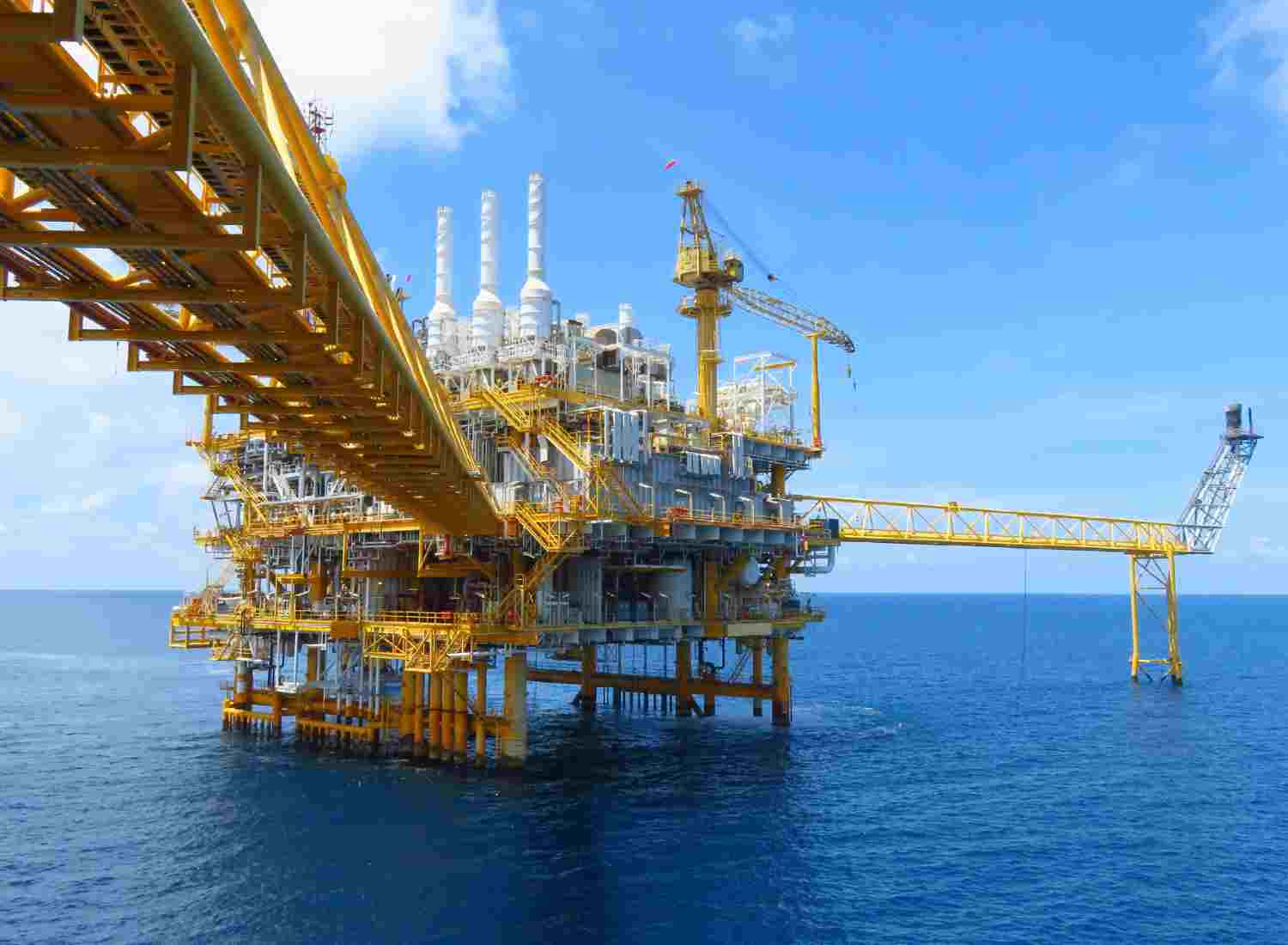
![Shell Gas refinery, Western Desert, Egypt. [Photo by Giles Barnard/Construction Photography/Avalon/Getty Images]](https://ocdn.eu/pulscms/MDA_/8daa867b33c693e9c110148b9745c4a7.jpg)
Several industrial giants, including Al Masria Lel Asmeda (Egyptian Fertilisers), MOPCO, EPIC, and Methanex, have been exempted from the latest tariff adjustments under long-term supply contracts with the Egyptian Natural Gas Holding Company (EGAS).
These contracts link gas prices to international benchmarks for urea, ammonia, and methanol.
The Ministry of Petroleum and Mineral Resources confirmed that new industrial projects will no longer receive any subsidies, a signal of Cairo’s intent to reform its energy policy framework and attract investment through transparency and efficiency.
Fuel subsidy costs are projected to rise to EGP 154.5 billion (approximately $3 billion) in the 2024–2025 fiscal year, up from EGP 119.3 billion ($2.3 billion) the previous year.
Prime Minister Mostafa Madbouly’s administration has reaffirmed its ambition to fully align domestic fuel and gas prices with international market rates by the end of 2025, a move analysts say could improve Egypt’s fiscal stability and make its energy sector more competitive across Africa and beyond.