African countries ranked among world’s 50 most food self-sufficient countries
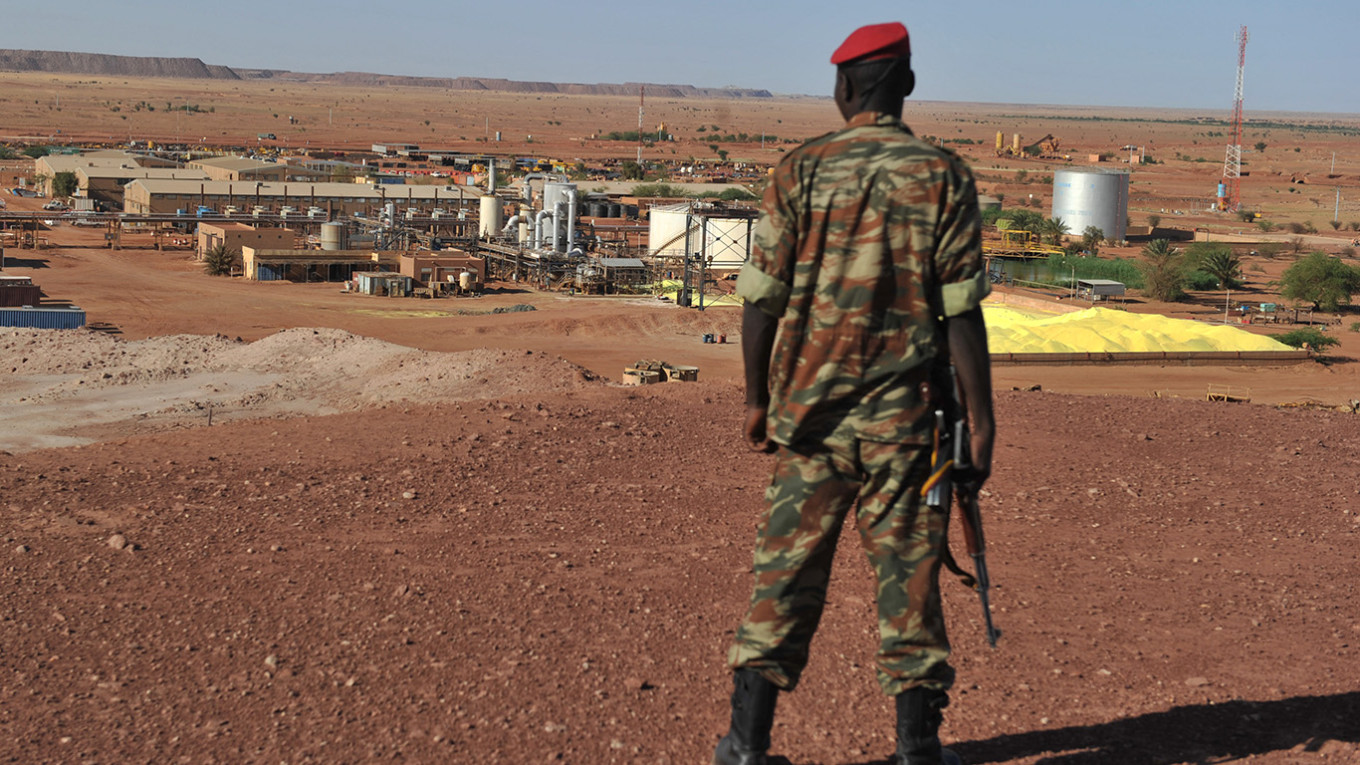
Eight African countries made the list, including the military-led countries of Mali and Niger, both of which remain in a state of political transition.
 admin
admin

Eight African countries made the list, including the military-led countries of Mali and Niger, both of which remain in a state of political transition.
- Researchers studied food self-sufficiency across 186 countries, focusing on dietary needs in seven food categories.
- Several African countries emerged among the top 50 self-sufficient nations due to strong small-scale and subsistence agriculture.
- Challenges like climate shocks and underinvestment hinder consistent agricultural performance in many regions.
Feeding your own people everything they need, from fruits and vegetables to dairy and fish, is harder than it sounds. Out of 186 countries studied, just one, Guyana, hit the mark for full food self-sufficiency across all seven major food groups. That’s according to a new study published in Nature Food (May 2025), which compared national food production to recommended dietary guidelines.
Researchers examined food self-sufficiency across countries, assessing national production against dietary needs in seven essential food groups: fruit, vegetables, legumes, starchy staples, meat, fish, and dairy.
The study, titled Gap between national food production and food-based dietary guidance highlights lack of national self-sufficiency, found that only Guyana met 100% self-sufficiency across all categories.
DON'T MISS THIS: Top 10 wealthiest African countries compared to the GDPs of U.S. states
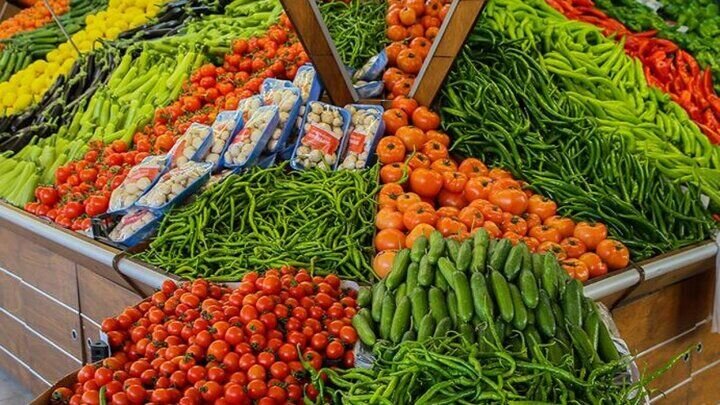
While European nations struggled particularly with fruit and vegetable production, and many Asian countries fell short in dairy, several African countries made a surprising appearance among the top 50 most self-sufficient nations.
Eight African countries made the list, including the military-led countries of Mali and Niger, both of which remain in a state of political transition.
Their inclusion shows the continued strength of subsistence and small-scale agriculture despite governance challenges. Cameroon and Senegal also featured among the continent’s top performers, with strong domestic production of starchy staples, legumes, and fish helping them meet internal food demands.
DON'T MISS THIS: List of at risk economies in Africa that are not considered fragile states
The study emphasised that self-sufficiency scores below 100% indicate import needs, while scores above suggest a surplus suitable for export.
Below are the African countries ranked amongst 50 most food self-sufficient countries in the world:
| Rank | Country | Fruit | Starchy staples | Dairy |
|---|---|---|---|---|
| 1 | Mali | 107% | 236% | 69% |
| 2 | Niger | 29% | 142% | 101% |
| 3 | Cameroon | 296% | 193% | 15% |
| 4 | Senegal | 23% | 82% | 20% |
| 5 | South Sudan | 61% | 107% | 303% |
| 6 | Tunisia | 188% | 18% | 170% |
| 7 | Malawi | 243% | 221% | 17% |
| 8 | Morocco | 161% | 22% | 65% |
Most African nations still rely on imports for dairy and meat products, but tend to perform better in crop-based categories, particularly legumes and staples like cassava, maize, and millet.
However, persistent challenges such as climate shocks, poor storage infrastructure, and underinvestment in irrigation and technology threaten progress. Even countries with strong agricultural potential often fail to meet national dietary requirements consistently due to systemic inefficiencies.