10 major African cities with the highest cost of living at the end of 2025
When everyday life becomes costly, economic progress quickly loses meaning. Rising food, transportation, housing, and energy prices in many African cities have decreased household purchasing power, putting pressure on families and exposing structural flaws in national economies.
 admin
admin
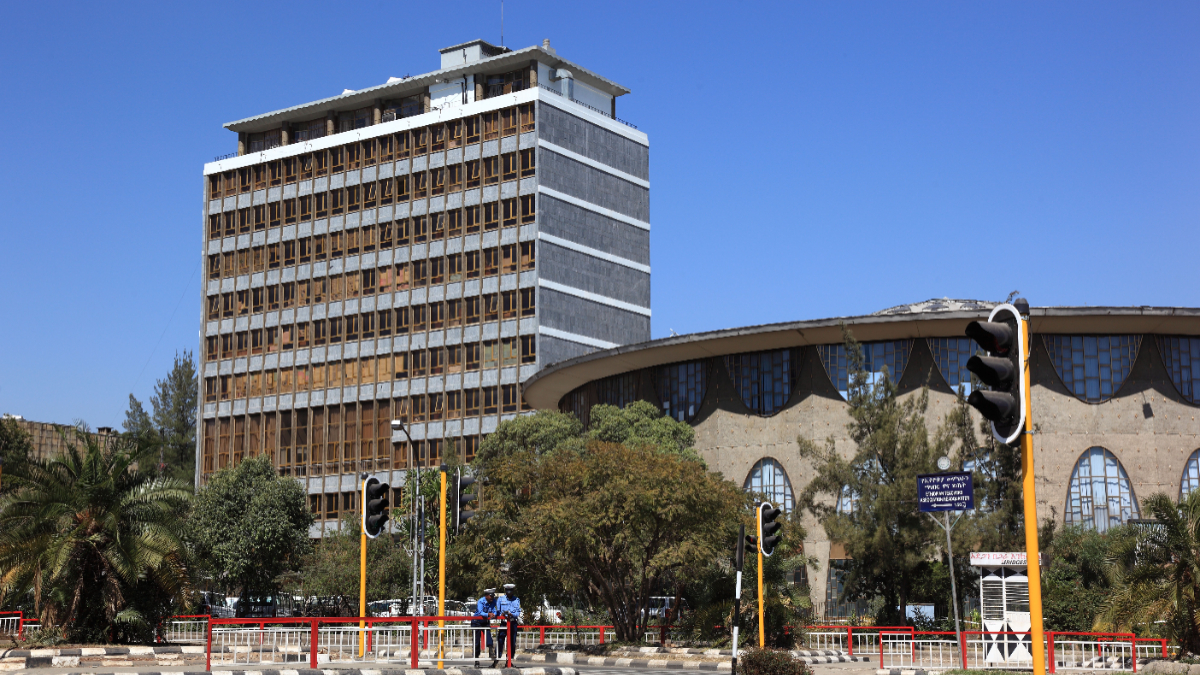
![10 major African cities with the highest cost of living at the end of 2025 [Photo by: Bildagentur-online/Universal Images Group via Getty Images]](https://ocdn.eu/pulscms/MDA_/950bb39955aaa2d20c5131f866569df6.jpg)
When everyday life becomes costly, economic progress quickly loses meaning. Rising food, transportation, housing, and energy prices in many African cities have decreased household purchasing power, putting pressure on families and exposing structural flaws in national economies.
- Rising costs for essential goods and services in African cities are diminishing household purchasing power and economic significance.
- When expenses outpace incomes, financial hardship and societal fragility ensue.
- Prolonged high living costs negatively affect productivity, investment, public trust, and long-term development.
- Zambia's economic challenges illustrate how affordability issues impact structural economic fundamentals.
When incomes fail to keep up with rising expenses, it causes not simply financial suffering but also broader economic and societal fragility.
A chronically high cost of living sets off a chain reaction that harms productivity, investment, public trust, and long-term development consequences.
Zambia's recent experience, characterized by high food costs, inflationary pressures, and tight household budgets, demonstrates how affordability issues can silently but decisively damage economic fundamentals.
DON'T MISS THIS: 5 African countries with the weakest aircraft fleet at the end of 2025
As reported by the LusakaTimes, Oswald Mungule, President of the Economics Association of Zambia (EAZ), in October revealed that the country's high cost of living has continued despite the kwacha's stable exchange rate over the last six months.
Mr Mungule explains that this is because inflation has destroyed people's incomes while productivity levels remain low.
He also blamed the economy's structural rigidities, low productivity, inadequate infrastructure, and ineffective logistics and transportation systems for the persistently high cost of living.
One of the most immediate impacts of a high cost of living is a rapid loss of actual income. As prices rise faster than wages, consumers are pushed to reduce spending on nutrition, healthcare, education, and savings.
This financial pressure frequently pushes families into debt, informal coping techniques, or reliance on social support systems, increasing vulnerability rather than building resilience.
Furthermore, productivity unavoidably declines when employees are unable to pay for their needs.
High living expenses lead to weariness, tension, and a drop in morale, all of which can result in decreased productivity and increased absenteeism.
Employers are under increasing pressure to raise wages in settings where wage adjustments are sluggish, which drives up operating expenses and reduces profit margins.
Throughout the year, high living expenses further discourage labor participation and skill retention, limiting the development of human capital in economies such as Zambia, where formal employment options are scarce.
With that said, here are the African countries with the highest cost of living as the year comes to an end, according to Numbeo.